Wills and Estate Essentials Every Family Should Know
Planning for the future is one of the most important responsibilities every family should take seriously. Wills and estate matters are not only for individuals with large amounts of wealth or complicated financial portfolios. They are essential legal tools that help protect your family, your property, and your wishes. Having proper legal documents in place ensures that your loved ones are protected and that your assets are distributed according to your intentions.
Whether you are preparing your first will, assigning legal authority through power of attorney, or reviewing existing documents, understanding the basics of wills and estate law can make a significant difference. Professional legal guidance through trusted wills and estate services can help ensure every document is legally valid and tailored to your unique circumstances.
Need Help with Wills and Estate Matters
Managing wills and estate matters can feel complex, especially when dealing with important family, financial, and legal decisions. Every situation is unique, and even small mistakes can create future complications.
If you are unsure about creating a will, updating your existing documents, or setting up power of attorney, it is always best to seek professional legal guidance. A properly structured legal plan ensures your wishes are clearly documented and your loved ones are fully protected.
Our legal team is here to assist you with all aspects of wills and estate services, including will drafting, estate administration, and power of attorney matters. We also provide guidance on related legal areas such as family law and property transactions, like purchase and sale, to ensure complete legal support under one roof.
For professional assistance or to book a consultation, feel free to contact us. We are committed to providing clear, reliable, and practical legal solutions tailored to your needs.
Get in touch with us today to discuss your case

Understanding Wills and Estates
Understanding the foundation of wills and estate law is the first step toward protecting your family’s future.
What Is a Will
A will is a legal document that outlines how your assets, property, and belongings should be distributed after your passing. It allows you to name beneficiaries, appoint an executor, and provide instructions regarding your estate.
A properly drafted will ensures your wishes are followed while reducing confusion and disputes among family members. Through professional wills and estate planning services, families can create legally enforceable wills that offer long-term protection.
What Is an Estate
Your estate includes everything you own at the time of your death. This can include real estate, bank accounts, investments, vehicles, personal property, and any other valuable assets.
Estate management involves organizing and distributing these assets according to your will or, if no will exists, according to provincial laws. Understanding your estate is essential for making informed decisions about asset protection and family security.
Why Every Family Needs a Will
Many families assume they do not need a will because they have limited assets. However, every family can benefit from having one.
A will helps avoid unnecessary legal complications, prevents delays in estate administration, and ensures that your loved ones are cared for according to your wishes. Without a will, courts may decide how your property is divided, which may not align with your intentions.
How Wills Protect Your Assets and Loved Ones
A well-prepared will provides clarity and direction. It can identify guardians for minor children, allocate assets fairly, and reduce the risk of disputes among family members.
For families with property holdings, working with an experienced real estate lawyer can help ensure that real estate assets are properly addressed within estate documents.
Wills and Power of Attorney

While wills determine what happens after death, power of attorney documents protect during your lifetime.
What is a Power of Attorney
Power of attorney is a legal document that gives another person the authority to act on your behalf if you become unable to manage your own affairs.
This authority may apply to financial matters, property management, or healthcare decisions, depending on the type of power of attorney established.
Difference Between a Will and a Power of Attorney
A will only becomes effective after your death. It governs the distribution of your estate.
Power of attorney, on the other hand, takes effect during your lifetime when needed. It allows someone you trust to make decisions on your behalf if you are incapacitated.
Both documents serve different purposes, but together they provide complete legal protection.
Types of Power of Attorney
There are generally two primary types:
- Power of attorney for property
- Power of attorney for personal care or health
Each serves a unique role in ensuring your affairs are managed appropriately.
Why Power of Attorney Is Important Alongside a Will
A will protects your estate after death, while a power of attorney protects your interests during life.
Without a power of attorney, your family may need to go through lengthy legal processes to gain the authority to make decisions on your behalf. Combining both legal tools creates a stronger protection strategy for your future.
Power of Attorney for Property

Property-related legal decisions require careful planning and clear authority.
What It Covers and How It Works
A power of attorney for property allows someone you trust to manage your financial affairs if you become unable to do so.
This can include paying bills, managing bank accounts, handling investments, and dealing with legal or business matters.
Managing Financial and Real Estate Matters
For individuals who own homes, rental properties, or other valuable real estate, this document becomes especially important.
Your appointed representative may work with legal professionals, such as a real estate lawyer, to complete transactions or resolve legal matters related to your property.
Risks of Not Having Property Power of Attorney
Without this document, your family may face delays and court intervention before anyone can manage your financial affairs.
This can create unnecessary stress during already difficult situations and may result in missed financial obligations or poor asset management.
Choosing the Right Person for Property Decisions
Selecting the right individual is critical.
Choose someone trustworthy, financially responsible, and capable of making decisions in your best interest. Open communication about expectations can help avoid misunderstandings later.
Power of Attorney for Health
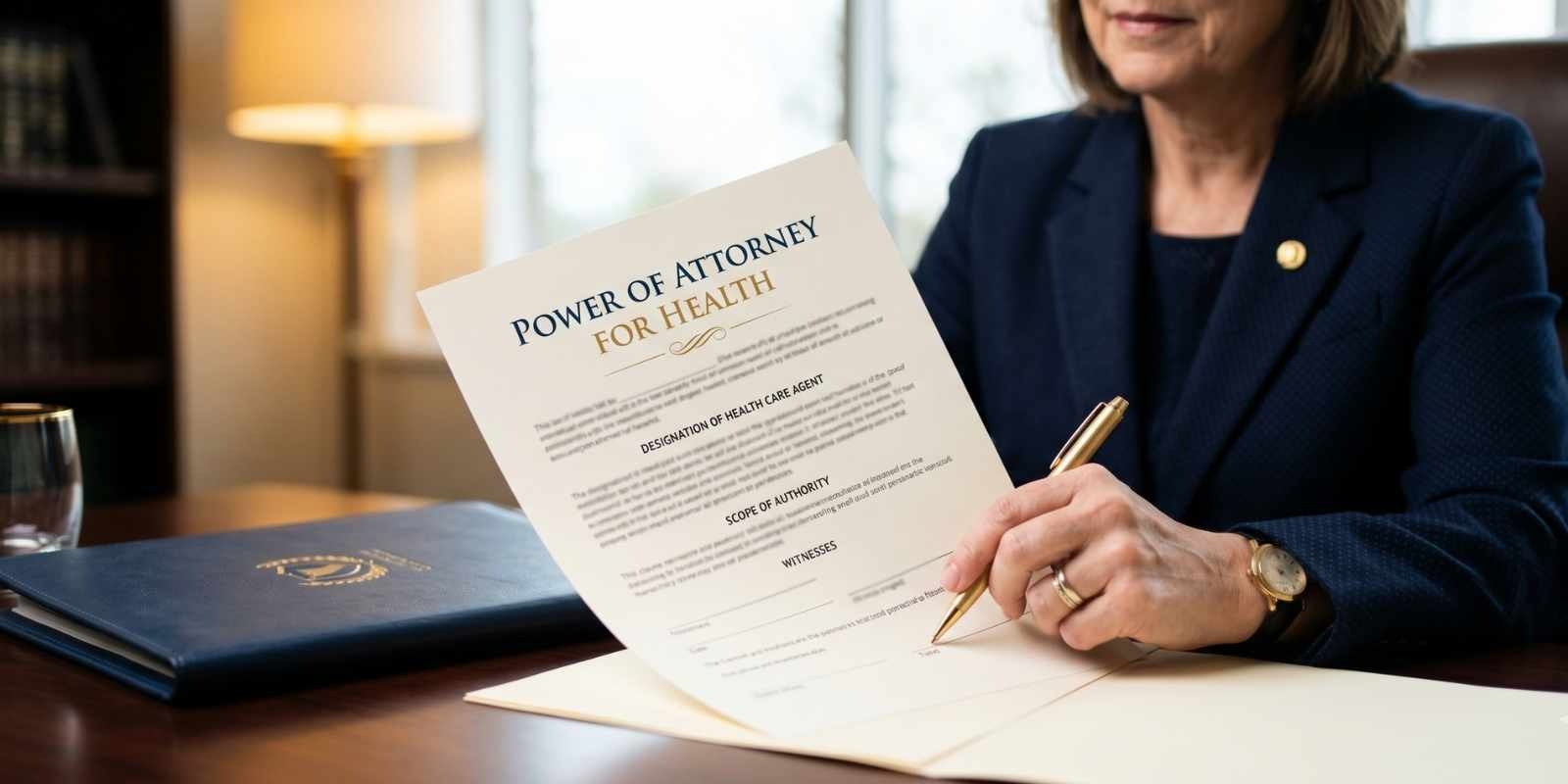
Healthcare decisions often require immediate action, making legal preparation essential.
What Is a Health Power of Attorney
A health power of attorney allows a trusted individual to make medical decisions on your behalf if you are unable to communicate your wishes.
This legal document ensures your healthcare preferences are respected.
Professional assistance with power of attorney for health documents helps ensure your instructions are clearly stated and legally valid.
Medical Decisions and Consent Authority
Your appointed decision-maker may authorize medical treatment, choose care facilities, and make decisions regarding life-sustaining care based on your wishes.
Clear legal authority prevents confusion among family members and healthcare providers.
Importance During Emergencies
Medical emergencies can happen unexpectedly.
Without a health power of attorney, important treatment decisions may be delayed while legal authority is established. This can create unnecessary complications during urgent situations.
Selecting a Trusted Decision Maker
This role should be assigned to someone who understands your values and can remain calm under pressure.
It is important to discuss your healthcare preferences openly with the person you choose.
When to Review a Will
Creating a will is not a one-time task. Regular reviews are essential.
Major Life Events That Require Updates
Significant life events often require changes to your estate documents.
Examples include marriage, divorce, childbirth, adoption, retirement, or the death of a beneficiary or executor.
Marriage, Divorce, or Family Changes
Family dynamics can change over time.
Marriage may require adding your spouse as a beneficiary, while divorce often requires removing outdated instructions. The birth of children or grandchildren may also require revisions.
Regular updates through trusted wills and estate planning help ensure your documents reflect your current wishes.
Changes in Assets or Financial Status
Acquiring new property, starting a business, receiving an inheritance, or major financial growth should trigger a review of your estate documents.
As your financial situation changes, your will should be updated to reflect your current assets.
Moving to a Different Province or Country
Laws governing wills and estate matters can vary between provinces and countries.
If you relocate, reviewing your will ensures it remains legally valid under local laws and properly addresses any jurisdiction-specific requirements.
A properly prepared will and estate strategy offers peace of mind, legal clarity, and lasting protection for your loved ones. By addressing wills, power of attorney for property, and healthcare decision-making, families can create a complete legal framework that safeguards their future. Working with experienced legal professionals ensures that every detail is carefully handled and fully aligned with your personal wishes.
Common Mistakes in Wills and Estate
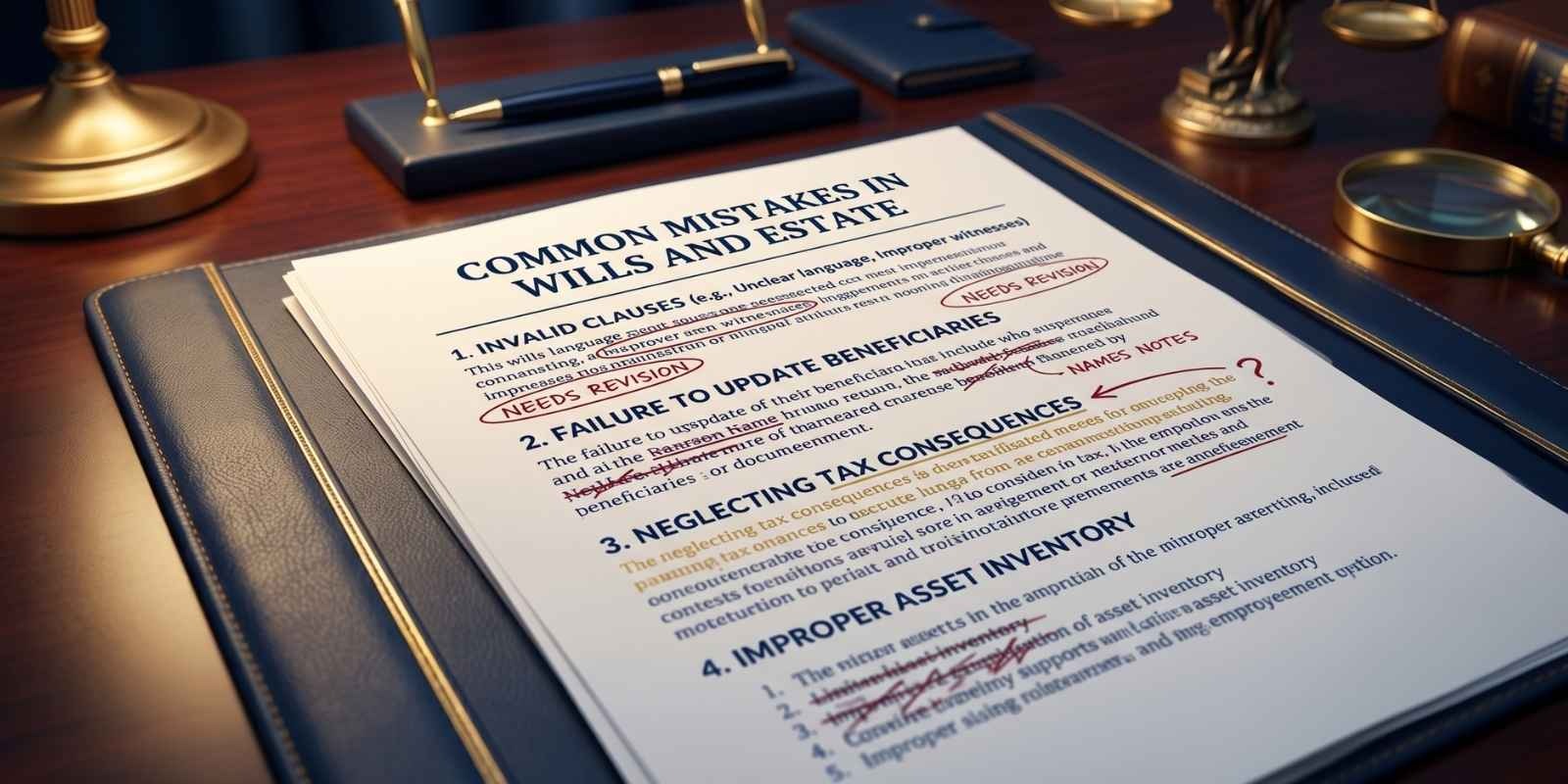
Even with the best intentions, many families make avoidable errors when handling wills and estate matters. These mistakes can lead to legal complications, delays, and unnecessary stress for loved ones.
Not Having a Will at All
One of the most common and serious mistakes is not having a will in place. Without a legally valid will, your estate will be distributed according to government laws, not your personal wishes.
This can create confusion, delays, and even disputes among family members. Important decisions such as guardianship of children or distribution of property, may not align with what you would have wanted.
Choosing the Wrong Executor
The executor plays a crucial role in managing your estate. Choosing someone inexperienced, unreliable, or unable to handle responsibilities can cause major issues.
An executor must manage finances, communicate with beneficiaries, and handle legal processes. Selecting the wrong person can result in delays or conflicts, especially in complex matters involving property or transactions like purchase and sale.
Ignoring Legal Requirements
A will must meet specific legal standards to be valid. Improper signing, lack of witnesses, or unclear language can make a will invalid or open to challenges.
Ignoring these legal requirements can result in your estate being handled as if no will existed at all. This is why professional legal support is essential when preparing wills and estate documents.
Failing to Update Documents Regularly
Many people create a will and never review it again. Over time, life changes such as marriage, divorce, new assets, or relocation can make an existing will outdated.
Regular updates are necessary to ensure your documents reflect your current situation. Guidance from professionals on will help keep everything accurate and legally effective.
How to Create a Strong Will
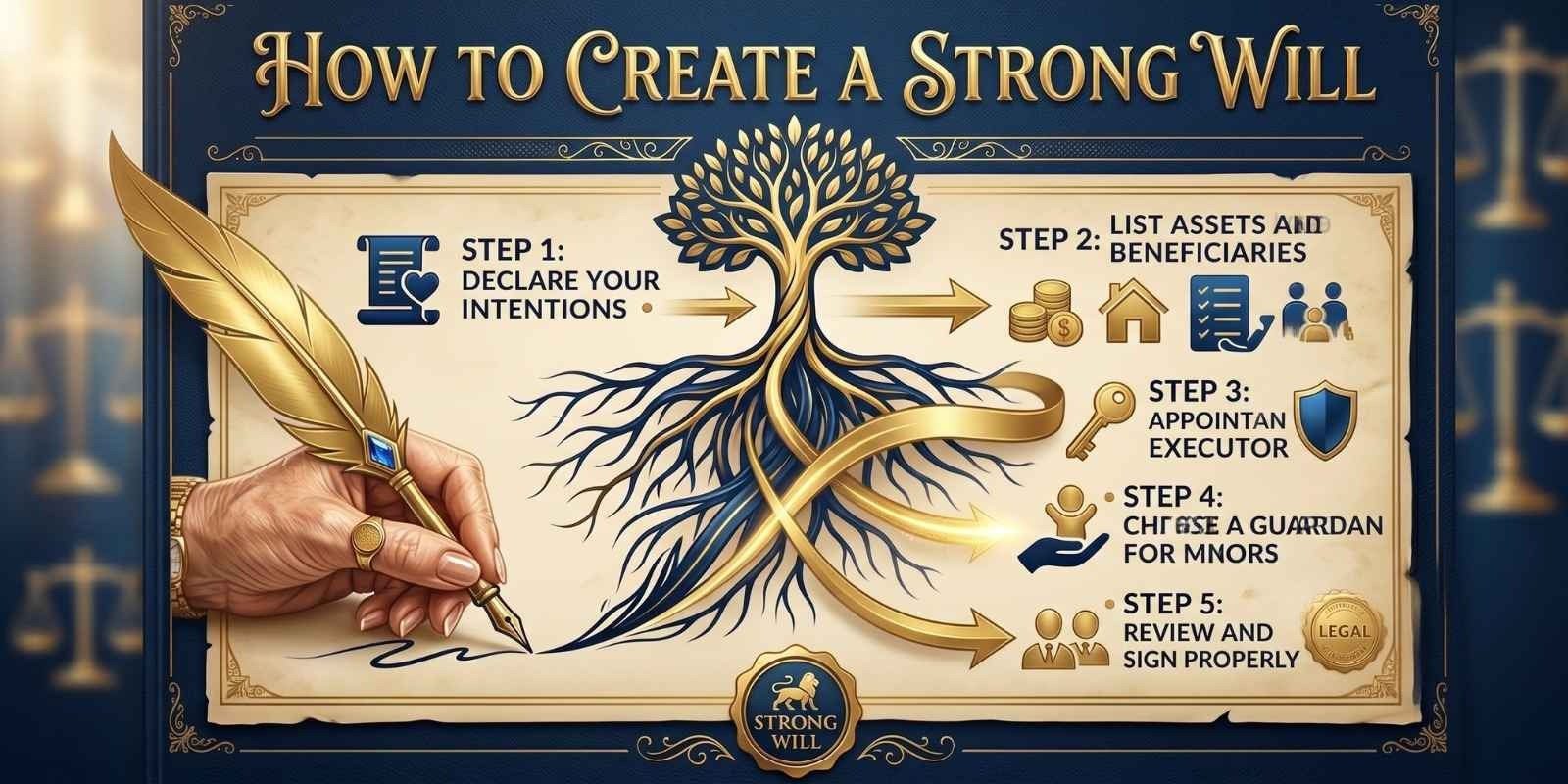
Creating a strong and reliable will is a key part of effective wills and estate management. It requires careful planning and attention to detail.
Key Elements Every Will Should Include
A complete will should clearly identify beneficiaries, outline how assets will be distributed, and appoint an executor.
It should also include instructions for specific assets, address debts, and, if applicable, name guardians for minor children. Clear and detailed instructions reduce the chances of disputes.
Legal Requirements for Validity
For a will to be legally valid, it must meet specific legal standards, including proper signing and witnessing.
Requirements can vary depending on location, so it is important to ensure compliance with applicable laws. Failing to meet these standards can result in serious complications for your estate.
Importance of Professional Legal Guidance
Legal professionals play a vital role in ensuring your will is accurate, complete, and legally enforceable.
Working with experts in wills and estate law can help you avoid costly mistakes and ensure that your wishes are clearly documented. This is especially important when dealing with complex family situations that may involve family law considerations.
Storing and Protecting Your Will
Once your will is created, it must be stored securely and in a location where it can be easily accessed when needed.
Informing your executor about its location and keeping copies with your legal advisor can help prevent delays or confusion in the future.
Benefits of Proper Wills and Estate Management

Taking the time to properly manage your wills and estate matters provides long-term benefits for both you and your family.
Reducing Family Disputes
Clear instructions in a legally valid will help reduce misunderstandings and disagreements among family members.
By outlining your wishes in detail, you can minimize the chances of conflict and ensure smoother communication among beneficiaries.
Ensuring Smooth Asset Distribution
Proper estate management allows assets to be distributed efficiently and according to your instructions.
Whether it involves financial accounts, personal belongings, or property transactions such as purchase and sale, a clear plan ensures everything is handled without unnecessary delays.
Providing Peace of Mind
Knowing that your affairs are in order brings peace of mind. You can feel confident that your loved ones will be taken care of and that your wishes will be respected.
This sense of security is one of the most valuable benefits of proper wills and estate preparation.
Protecting Minor Children and Dependents
For families with young children or dependents, a will is essential.
It allows you to appoint guardians and ensure financial support is properly managed. Without these instructions, courts may make decisions that do not reflect your preferences.
Choosing the Right Lawyer for Wills and Estate

Selecting the right legal professional is a crucial step in managing your wills and estate matters effectively.
What to Look for in a Legal Expert
A qualified lawyer should have experience in wills and estate law, a strong understanding of legal requirements, and the ability to provide clear guidance.
Look for someone who communicates well and understands your specific needs.
Questions to Ask Before Hiring
Before choosing a lawyer, ask about their experience, approach to estate matters, and how they handle complex situations.
You should also discuss fees, timelines, and the level of support they provide throughout the process.
How Professional Help Prevents Future Issues
Professional legal guidance helps identify potential risks and ensures all documents are prepared correctly.
By working with an experienced lawyer, you can avoid common mistakes and ensure your estate is handled smoothly, even in situations involving family disputes or legal complexities related to family law.
Final Thoughts
Planning your wills and estate matters is one of the most important steps you can take to protect your family and your future.
Taking the First Step Toward Securing Your Future
Getting started may feel overwhelming, but taking the first step is crucial.
Whether you are creating a new will or updating an existing one, seeking professional guidance can make the process simple and effective.
Why Early Preparation Makes a Difference
Early preparation allows you to make thoughtful decisions without pressure. It also ensures that your documents remain relevant as your life evolves.
By addressing wills and estate matters early, you provide clarity, reduce stress for your loved ones, and create a strong foundation for long-term security.