Introduction to Real Estate Law and Why It Matters
Real estate law forms the legal foundation for every property transaction, whether it involves buying, selling, leasing, or resolving disputes. While many people view property transactions as straightforward financial deals, they are in fact governed by detailed legal rules that define ownership rights, contractual obligations, and risk allocation. This is where the role of a real estate lawyer becomes essential.
Every property transaction involves legally binding agreements, documentation, and compliance requirements. Missing a single clause or misunderstanding a term can lead to serious consequences, including financial loss or long-term legal disputes. A qualified legal professional, such as the team at Khan Law, ensures that all legal aspects are handled correctly, reducing risk and providing clarity throughout the process.
In addition to transactions, real estate law also governs property disputes related to ownership, boundaries, and contractual obligations. Without proper legal guidance, these issues can quickly escalate into complex and costly legal battles. Having early professional support involved from the beginning helps prevent such problems and ensures that your interests are protected at every stage.
When and Why You Need a Real Estate Lawyer

Many individuals underestimate the importance of hiring a real estate lawyer, often assuming that real estate agents or standard contracts are sufficient. However, property transactions involve complex legal requirements that demand professional expertise.
You need this legal support when entering into any legally binding property agreement. This includes buying a home, selling property, refinancing, leasing, or resolving disputes. Each of these situations involves important legal obligations that must be carefully managed.
One of the main reasons to seek professional help is to avoid financial and legal risk. Property contracts often contain detailed clauses that may not be immediately clear. A lawyer reviews these terms, explains their implications, and ensures that they align with your best interests. Without this review, you may unknowingly agree to unfavorable conditions.
Another key reason is legal compliance. Property transactions must follow strict legal procedures, including proper documentation and timely submissions. A real estate lawyer ensures that all requirements are met, preventing delays or penalties.
Ultimately, professional legal assistance provides peace of mind. Knowing that a qualified expert is handling your transaction allows you to focus on your goals without worrying about hidden risks or complications.
Speak with a Real Estate Lawyer Before Making Any Decision

Before signing any agreement or moving forward with a property transaction, it is important to seek professional legal advice. Early consultation can help you understand your rights, identify risks, and make informed decisions.
A real estate lawyer can review your situation, provide guidance, and ensure that you are fully prepared for the legal aspects of your transaction. Taking this step early can save you time, money, and stress in the long run.
Speak with a legal professional today: get started by contacting us.
What Does a Real Estate Lawyer Do in Property Transactions?

A real estate lawyer plays a central role in ensuring that property transactions are legally secure and properly executed. Their responsibilities go far beyond reviewing documents; they provide legal strategy, risk assessment, and protection throughout the entire process.
One of the primary tasks is contract review. Legal professionals examine agreements to ensure that all terms are clear, fair, and legally enforceable. This includes identifying potential risks and negotiating better conditions when necessary.
Another important responsibility is conducting a title search. Ownership verification ensures that the property is free from liens, claims, or disputes. This step is critical for avoiding future legal complications.
In addition, professionals manage the closing process, coordinating with all parties involved, ensuring funds are transferred correctly, and confirming that ownership transfer is legally completed.
By handling these responsibilities, a legal expert ensures that your property transaction is smooth, compliant, and protected from legal risks.
Understanding the Legal Process of Buying Property
Buying property involves multiple legal steps, each requiring careful attention and proper documentation. A legal professional guides you through this process, ensuring every stage is handled correctly and in compliance with property laws.
How the Purchase and Sale of Property Works in Real Estate
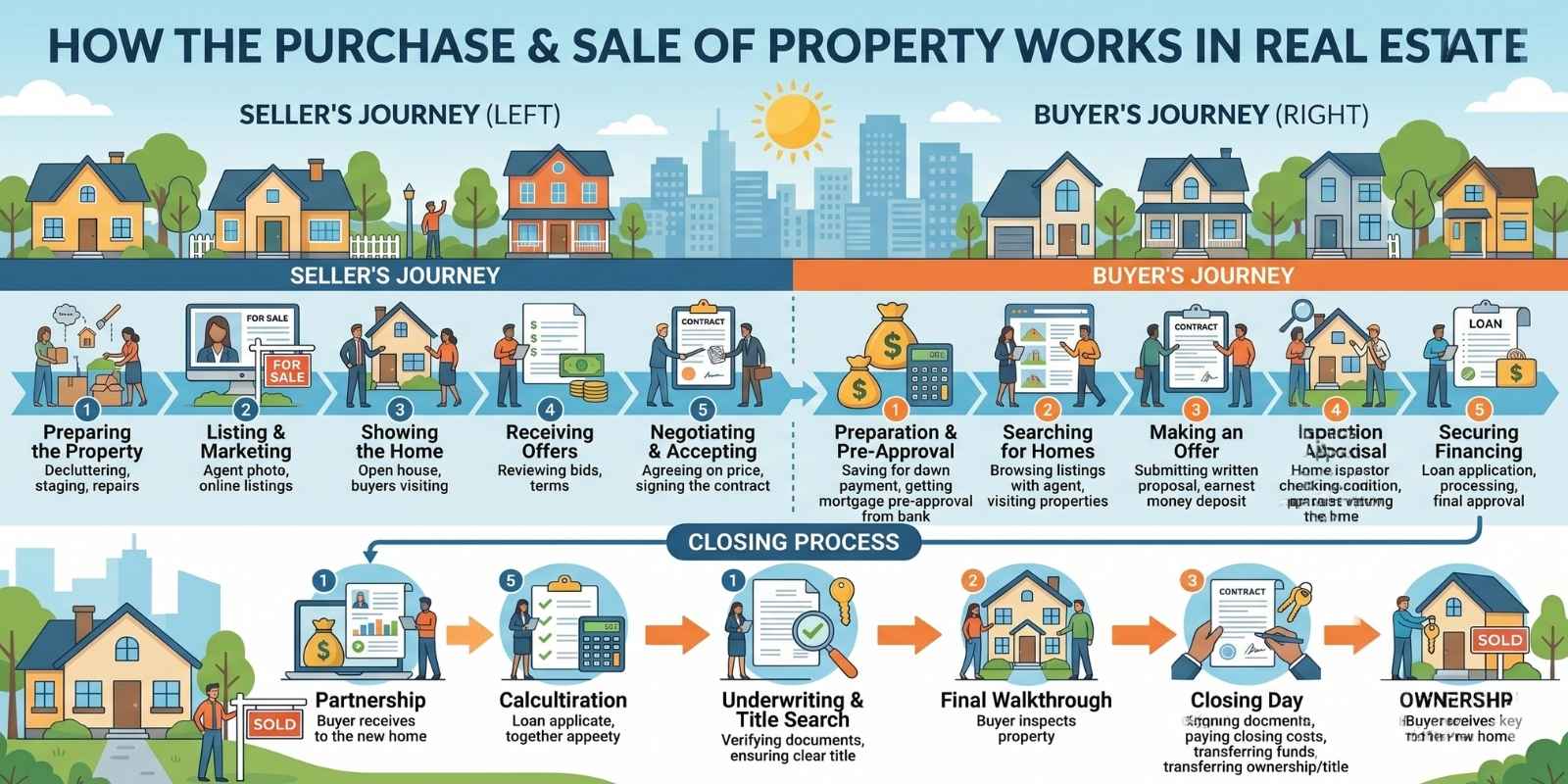
The purchase and sale of property is one of the most important stages in any real estate transaction, involving careful planning, negotiation, and legal compliance. Whether you are buying or selling a home, every step must be handled properly to ensure that ownership is transferred smoothly and without risk. This process includes setting clear terms between parties, confirming property details, and ensuring that all financial and legal conditions are met before completion. Proper handling of purchase and sale matters helps avoid disputes, delays, and financial complications.
Legal support plays a key role in making the purchase and sale process secure and transparent. From reviewing transaction terms to ensuring compliance with property laws, professional guidance helps protect both buyers and sellers throughout the entire deal. For a deeper understanding of how these transactions are structured and legally managed, you can explore more details on our purchase and sale services. This ensures that every stage of the transaction is properly handled, reducing risk and providing confidence from start to finish.
Reviewing the Agreement of Purchase and Sale
The purchase and sale agreement is one of the most important documents in a property transaction. It outlines the terms and conditions agreed upon by the buyer and seller. A real estate lawyer reviews this document to ensure it is accurate and legally protective.
They identify clauses that may pose risks and explain their implications in clear terms. This ensures that you fully understand your legal obligations before signing.
Title Search and Due Diligence
A title search is a critical step in the buying process. A legal professional conducts this search to verify ownership and identify any legal issues associated with the property.
Due diligence also includes reviewing zoning regulations, property restrictions, and financial liabilities. This ensures there are no hidden problems that could affect your ownership rights.
Financing and Mortgage Legal Review
Most property purchases involve financing, which introduces additional legal considerations. A lawyer reviews mortgage agreements to ensure they are legally valid and free from unfavorable terms.
They also ensure all financial documents are properly executed and comply with regulatory requirements, protecting your financial interests.
Closing Process and Ownership Transfer
The closing process is the final stage of the transaction. During this stage, a legal expert ensures that all documents are completed and that the ownership transfer is legally executed.
They coordinate with lenders, verify funds, and confirm all legal conditions are satisfied. This ensures a smooth and successful completion of the property transaction.
Legal Responsibilities When Selling Property
Selling property involves important legal responsibilities that must be handled carefully to ensure a smooth and compliant transaction. A real estate lawyer ensures that the entire process is legally sound and that your interests are properly protected.
Preparing and Reviewing Sale Agreements
A legal professional prepares and reviews the agreement of sale to ensure it accurately reflects the terms of the transaction. They confirm that all clauses are clear, fair, and legally enforceable, reducing the risk of future legal disputes.
Managing Legal Documentation
Property sales involve extensive legal documentation, including contracts, disclosures, and transfer papers. A lawyer ensures that all documents are accurate, complete, and properly executed. This helps prevent delays, errors, or compliance issues during the transaction process.
Handling Buyer Negotiations and Conditions
Negotiation is a key part of the property-selling process. Legal guidance helps ensure that responses to buyer conditions are fair and legally safe. This protects the seller from agreeing to unfavorable or risky terms during negotiations.
Finalizing the Sale and Transfer
The final stage involves ownership transfer to the buyer. A legal expert ensures that all requirements are met, funds are properly handled, and the transfer is completed in accordance with property laws and regulations.
Common Property Disputes and How a Real Estate Lawyer Helps
Property disputes can arise at any stage of a transaction or ownership period, often creating stress and financial uncertainty for the parties involved. Legal support plays a crucial role in resolving these issues efficiently while ensuring that ownership rights and legal obligations are fully protected. With the right guidance, many disputes can be settled before they escalate into lengthy and costly legal proceedings.
Contract Disputes and Breach of Agreement
Contract disputes occur when one party fails to meet its legal obligations as outlined in the agreement. This may involve missed deadlines, failure to complete conditions, or disputes over specific clauses. A legal professional carefully reviews the agreement, identifies the breach, and provides appropriate legal solutions to resolve the issue. Their involvement ensures that your rights are enforced while minimizing financial and legal risks associated with the dispute.
Title and Ownership Conflicts
Ownership disputes can be complex and often require a detailed investigation into property records and historical transactions. A lawyer verifies legal documents, conducts thorough title searches, and confirms rightful ownership. In cases where discrepancies arise, they take the necessary legal steps to resolve conflicts and protect the client’s property rights. Proper legal guidance in these situations prevents future complications and ensures a clear and secure title.
Boundary and Property Line Disputes
Boundary disputes commonly arise between neighboring property owners due to unclear property lines or conflicting survey results. Legal assistance helps clarify boundaries by reviewing land surveys, title documents, and municipal records. A real estate lawyer works to resolve disagreements through negotiation or legal action if required, ensuring that property rights are clearly defined and respected by all parties involved.
Financial and Transactional Disagreements
Financial disputes may involve disagreements over payments, taxes, or adjustments made during a property transaction. Issues such as closing adjustments can often lead to confusion if not properly handled. A legal professional works to resolve these matters fairly by reviewing financial terms, ensuring compliance with legal requirements, and helping all parties reach a balanced and legally sound outcome.
Real Estate Litigation: When Legal Action Becomes Necessary

Real estate litigation becomes necessary when disputes between parties cannot be resolved through negotiation or mutual agreement. While many property disputes are settled informally, some escalate into formal legal conflicts that require court intervention. In such cases, a real estate lawyer plays a critical role in representing your interests and protecting your legal rights.
Litigation can arise from issues such as breach of contract, ownership conflicts, fraud, or disagreements over property terms. When these situations occur, the legal process becomes complex and requires strong documentation, evidence, and legal argumentation.
A legal professional helps you navigate this process by evaluating the strength of your case, collecting relevant evidence, and developing a structured legal strategy. They also represent you in negotiation, mediation, or court proceedings when required.
Without proper representation, individuals may struggle with court procedures and legal requirements, which can weaken their case. Legal support ensures that your position is clearly presented and properly supported throughout the litigation process.
Title Search and Due Diligence Explained in Detail
A title search is one of the most important steps in any property transaction. It involves examining public records to confirm legal ownership and identify any liens, claims, or encumbrances on the property. A legal professional conducts this process to ensure the property is legally clear for transfer and free from unexpected legal complications.
Due diligence goes beyond simple ownership verification. It includes a complete review of the property’s legal, financial, and physical status, such as zoning laws, unpaid taxes, restrictions, and potential disputes. This process is especially critical in transactions involving commercial properties, where regulatory and financial considerations can be more complex.
A real estate lawyer ensures that all these factors are carefully analyzed before the transaction is completed. This protects buyers from inheriting hidden legal or financial risks that could lead to costly disputes or financial losses in the future.
By conducting thorough due diligence, legal professionals help ensure that buyers make informed and secure investment decisions based on accurate and verified property information.
Contract Review: Protecting Your Rights in Every Agreement

Contracts are the foundation of every property transaction, defining the rights, responsibilities, and obligations of all parties involved. A real estate lawyer ensures that these agreements are fair, clear, and legally enforceable.
Many property contracts contain complex legal language that may be difficult to understand. Legal experts interpret these terms and explain their implications in simple language, helping clients make informed decisions before signing.
In addition to reviewing terms, legal professionals identify potential contract risks, such as unfair clauses, hidden charges, or conditions that may lead to future disputes. If necessary, they negotiate amendments to better protect client interests.
Contract review is not just a procedural step; it is a critical part of preventing legal disputes and financial loss. Proper legal review ensures that every agreement is legally sound and aligned with the client’s goals.
Mortgage and Financing: Legal Protection You Should Not Ignore
Mortgage and financing agreements are among the most complex documents in a property transaction. They involve long-term financial commitments and legal obligations that must be carefully reviewed for accuracy and fairness. A real estate lawyer ensures that these agreements are legally sound and fully compliant.
One of the key responsibilities is reviewing mortgage terms, including interest rates, repayment structures, penalties, and contractual obligations. This helps identify any hidden financial risks or unfavorable conditions before signing.
Legal professionals also ensure that all financing documents are properly executed and comply with legal standards. This includes coordination with lenders and verification that funds are transferred correctly during the closing process.
Without proper legal review, borrowers may unknowingly accept terms that create long-term financial strain or legal exposure. Professional oversight helps prevent these risks and ensures secure financing arrangements.
Landlord and Tenant Legal Matters in Real Estate
Landlord and tenant law governs the legal relationship between property owners and tenants, including rental agreements, rent obligations, maintenance responsibilities, and dispute resolution. A legal professional helps both parties understand their rights and obligations under applicable property laws.
For landlords, legal support is essential in drafting legally enforceable lease agreements that clearly define terms and conditions. This reduces the risk of misunderstandings and future disputes.
For tenants, legal guidance ensures protection in situations involving eviction, rent increases, or maintenance issues, helping them respond appropriately within their legal rights.
In such cases, consulting a landlord and tenant lawyer can provide legal support to address rental-specific concerns and ensure compliance with applicable laws.
When disputes escalate, professional legal intervention may be required. A real estate lawyer assists in resolving conflicts through negotiation, mediation, or formal legal proceedings when necessary.
Risks of Handling Property Transactions Without a Real Estate Lawyer

Handling property transactions without proper legal support can expose individuals to significant legal and financial risks. Many of these risks are not immediately visible but can have serious long-term consequences.
One major risk is signing contracts without fully understanding legal terms. Property agreements often contain complex clauses that can easily be misinterpreted, leading to unfavorable obligations.
Another major concern involves title issues and ownership disputes. Without proper verification, buyers may unknowingly acquire property with existing liens, claims, or legal encumbrances. Professional due diligence helps prevent this.
There is also the risk of financial errors during the closing process, including incorrect fund transfers or incomplete documentation. Legal oversight ensures that the entire transaction is completed safely and correctly.
Benefits of Hiring a Real Estate Lawyer Early in the Process
Engaging legal support early in a property transaction provides significant advantages and helps prevent costly mistakes. It allows potential legal issues to be identified and resolved before they develop into serious problems that could delay or jeopardize the transaction.
Early involvement ensures that contracts, agreements, and negotiations are properly structured from the beginning. A legal professional, such as a real estate lawyer, can provide strategic advice, review terms in detail, and guide decision-making throughout every stage of the process. This proactive approach minimizes risks and strengthens your legal position.
It also reduces stress and uncertainty for clients. With proper legal guidance in place from the start, individuals can proceed with confidence knowing their transaction is being handled professionally, efficiently, and securely from beginning to end.
How to Choose the Right Real Estate Lawyer for Your Needs
Choosing the right legal professional is essential for a successful property transaction. Key factors include experience, communication, and attention to detail.
An experienced lawyer understands the complexities of property law and can handle a wide range of legal issues effectively, from contracts to disputes and financing matters.
Strong communication ensures that clients clearly understand their legal options and obligations, while attention to detail helps prevent costly errors in documentation and agreements.
A reliable legal professional ensures that every aspect of the transaction is carefully reviewed, accurate, and legally compliant, helping clients avoid unnecessary risks and complications.
Key Mistakes Buyers and Sellers Must Avoid
Many buyers and sellers make avoidable mistakes during property transactions. One common issue is failing to properly review legal contracts, which can lead to unfavorable obligations. Another frequent mistake is skipping essential due diligence steps, such as title verification and property checks.
Some individuals also rush into agreements without seeking proper legal guidance, which increases the risk of misunderstandings, disputes, and financial loss. A real estate lawyer helps prevent these issues by ensuring that every step of the transaction is properly reviewed and legally sound.
Avoiding these mistakes requires careful planning, attention to detail, and professional support throughout the process.
Property Insurance Types to Consider for Risk Protection
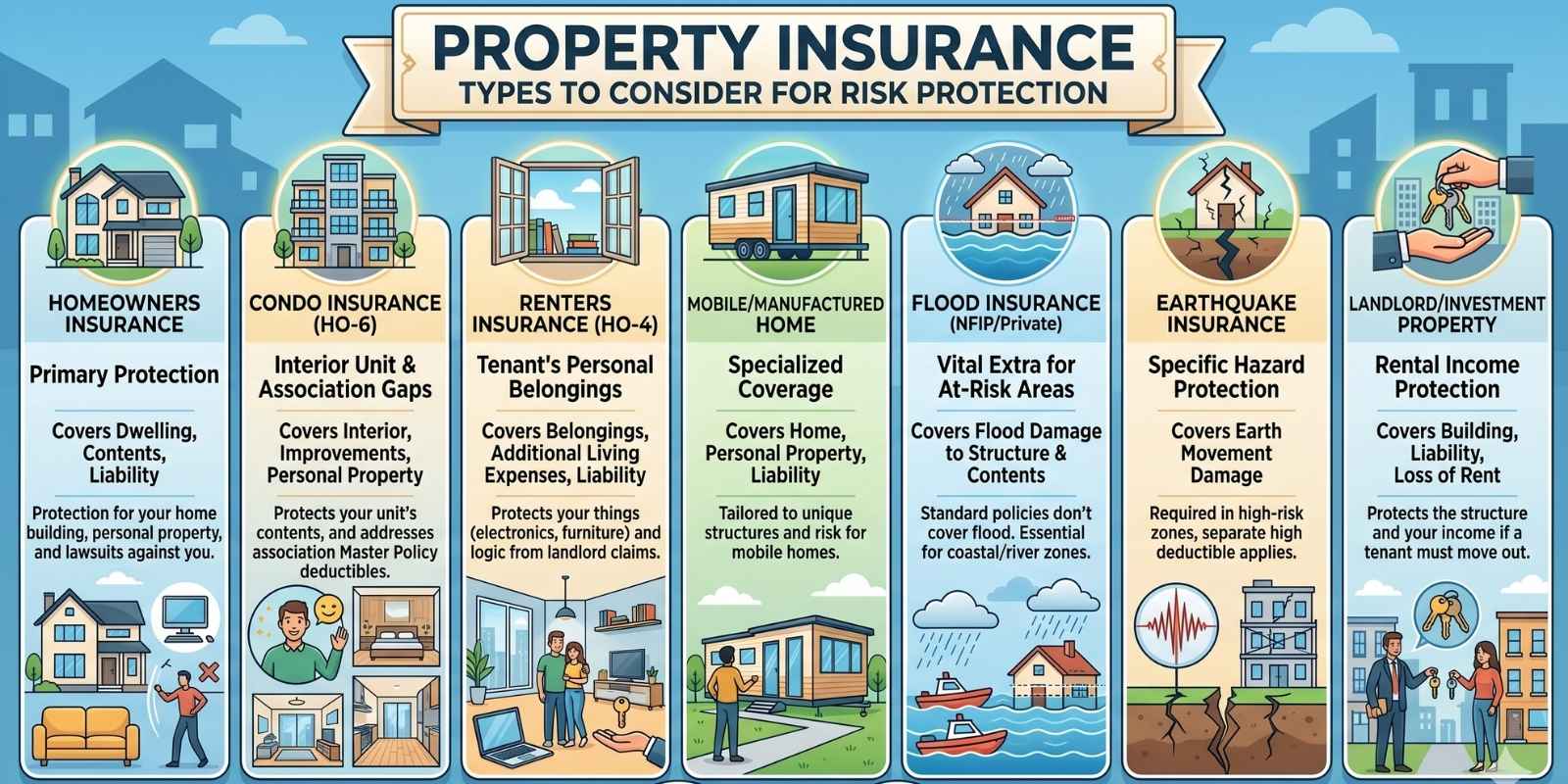
Understanding different property insurance types is essential for protecting your investment from unexpected risks such as damage, theft, or liability claims. Whether you own residential or commercial property, having the right insurance coverage ensures financial security and peace of mind. Common options include home insurance, landlord insurance, title insurance, and liability coverage, each designed to protect specific aspects of property ownership. Choosing the right policy depends on your property type, usage, and potential risk exposure.
To explore the different coverage options in detail and determine what best suits your needs, reviewing various property insurance types can help you make informed decisions. Proper insurance planning not only safeguards your property but also ensures that you are prepared for unforeseen circumstances that could otherwise lead to significant financial loss.
Long-Term Legal Protection and Property Security
Legal support provides long-term protection by ensuring that all property transactions are properly documented and legally compliant. This protection extends beyond the initial sale or purchase and helps prevent future property disputes.
Accurate contracts, proper documentation, and thorough due diligence all contribute to long-term property security. A legal professional ensures that ownership rights remain protected and enforceable over time.
Frequently Asked Questions About Real Estate Lawyers
Do I need a real estate lawyer for every transaction?
Yes. Legal oversight ensures that every property transaction is properly structured and legally secure.
When should I hire a real estate lawyer?
It is best to involve legal support at the beginning of any property transaction to avoid risks later in the process.
Can a real estate lawyer help with disputes?
Yes. Legal professionals handle property disputes through negotiation, mediation, or court proceedings when necessary.
What happens during closing?
During closing, all legal documents are signed, funds are transferred, and ownership is officially and legally completed under proper legal supervision.
Final Thoughts on Working with a Real Estate Lawyer
A real estate lawyer plays an essential role in ensuring safe, legally compliant, and successful property transactions. Their expertise covers every stage of the process, from contract review and due diligence to dispute resolution and closing.
Whether you are buying, selling, or dealing with a legal issue, professional legal support provides protection, clarity, and confidence throughout the entire process. In real estate, where small mistakes can lead to serious consequences, proper legal guidance is not optional; it is essential.