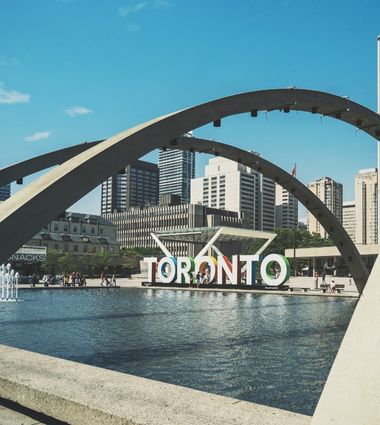
Toronto’s short-term rental scene has taken off, with platforms like Airbnb and Vrbo making it easy to rent out a space for extra cash. It sounds simple enough — list your place, welcome guests, and pocket the income. But the reality isn’t that straightforward. The city has strict rental rules, and if you don’t follow them, you could face steep fines, legal trouble, or even eviction.
And that’s just the start. Insurance gaps, liability risks, and condo board restrictions can turn what seems like a great side hustle into a legal headache. Before you list your home, it’s important to know exactly what you’re getting into. This guide breaks down Toronto’s short-term rental laws, the risks involved, and how a real estate lawyer can help you avoid expensive mistakes.
Understanding Toronto’s Short-Term Rental Laws
If you're thinking about renting out your home on Airbnb or another short-term rental platform in Toronto, there are some important rules you need to follow. The city has strict regulations in place to prevent housing shortages and also make sure rentals are safe and properly taxed. Here’s what you need to know before listing your property:
- Only your principal residence qualifies. You can’t rent out a second home, an investment property, or a basement apartment separately. Your short-term rental must be the place where you actually live.
- There's a cap on rental nights. You can rent out your home for short stays, but only for up to 180 nights per year. Anything beyond that, and you’ll need to look into long-term leasing options.
- Registration is mandatory. The City of Toronto requires all short-term rental hosts to apply for a licence and renew it every year. If you skip this step, you could face fines.
- Taxes apply to your rental income. A 4% Municipal Accommodation Tax (MAT) is added to what you charge guests, and you’re responsible for reporting and paying it.
Why You Need a Real Estate Lawyer
Short-term rental rules in Toronto aren’t always straightforward, and breaking them — even accidentally — can lead to costly penalties and that is why you need a Toronto real estate lawyer. They can:
- Confirm if your property qualifies. Just because your home is in Toronto doesn’t mean you’re automatically allowed to list it as a short-term rental. Some condo buildings and neighbourhoods have extra restrictions. A lawyer can review your situation and tell you what’s allowed.
- Handle licensing and tax compliance. Paperwork can be a hassle, and mistakes can cost you money. A lawyer can guide you through the registration process and help ensure you meet all tax obligations.
- Draft solid rental agreements. Even if you’re renting short-term, you need a legally sound agreement that protects you from damage, liability, and disputes. A lawyer can help create a contract that follows Ontario’s rental laws.
If you’re serious about short-term rentals, having legal guidance can save you from unexpected problems down the road. Before listing your home, make sure you’re fully covered — both legally and financially.

Financial & Legal Risks of Short-Term Rentals
Even if your short-term rental meets all of Toronto’s legal requirements, that doesn’t mean you’re in the clear. Renting out your home — whether for a weekend or a few months — comes with financial and legal risks that many property owners don’t think about until it’s too late. Here’s what you need to watch out for:
1. Fines & Legal Trouble
Toronto has strict rules for short-term rentals, and breaking them can be expensive. If your property isn’t your principal residence or if you don’t register with the city, you could face serious penalties. Repeat offenders have been fined up to $100,000, and in some cases, people have been permanently banned from listing their properties.
A real estate lawyer in Toronto can help you:
- Make sure your rental setup follows city regulations so you don’t accidentally break the rules.
- Respond to legal notices or investigations from the city if your listing is flagged for violations.
- Handle disputes if neighbours or tenants report your property for unauthorized short-term stays.
2. Insurance & Liability Issues
Many homeowners assume their standard insurance policy covers short-term rentals — it doesn’t. If a guest damages your home, gets injured, or even steals something, you could end up paying for it out of pocket. Some common risks include:
- Property damage — Guests might accidentally (or intentionally) cause serious damage. A spilled drink on the carpet is one thing, but what if they break a window or flood your bathroom?
- Injuries on your property — If a guest slips and falls in your kitchen or gets hurt using your backyard pool, you could be held responsible.
- Theft or vandalism — Some renters have walked away with valuable items, and others have left homes in complete disarray.
A real estate lawyer can help by:
- Review your current insurance policy to make sure it covers short-term rentals.
- Recommending policies that fully protect your home against damage, liability claims, and theft.
- Drafting rental agreements that outline guest responsibilities and limit your liability in case of an accident.
3. Tenant & Lease Agreement Conflicts
If you’re renting a condo or apartment, you’ll need to check your lease or condo bylaws before listing your place. Many condo buildings strictly prohibit short-term rentals, and violating those rules can lead to serious consequences:
- Eviction — If your lease doesn’t allow short-term stays and your landlord finds out, you could be forced to move out.
- Legal disputes — Condo boards actively monitor rental listings and aren’t afraid to take legal action against rule-breakers.
- Hefty fines — Some condo corporations fine owners who break the rules, adding to the financial risks.
A real estate lawyer expert in rental laws in Toronto can:
- Review your lease or condo agreement to confirm whether short-term rentals are allowed.
- Advise you on potential risks before you start renting out your space.
- Defend you if your landlord or condo board takes legal action against you.

How a Real Estate Lawyer Can Protect You
Renting out your home for short stays is a great way to earn extra cash, but it’s not as simple as handing over the keys and collecting payments. Toronto has strict rules about short-term rentals, and if you don’t follow them, you could face hefty fines — or worse, legal trouble and that is where a real estate lawyer can be of great help:
A lawyer isn’t just there to handle lawsuits. They help property owners avoid problems before they happen. Here’s how they can protect you:
1. Making Sure You’re Following the Rules
Toronto’s short-term rental laws aren’t flexible. Your property must be your principal residence — which means you can’t legally list a second home, investment property, or basement apartment for short-term stays. If you don’t register with the city or go over the 180-night limit per year, you could face fines of up to $100,000.
A real estate lawyer can:
- Check if your property qualifies under Toronto’s rental laws.
- Make sure you’re registered properly to avoid penalties.
- Advise you on any restrictions if you live in a condo or rental unit.
2. Protecting You with the Right Paperwork
Most people don’t think about rental agreements when they list their property on Airbnb or other platforms. But having a clear, legally binding agreement can save you from major problems. A guest who refuses to leave? A broken appliance they won’t admit to damaging? A lawyer can help you set terms upfront so you don’t get stuck footing the bill or dealing with legal loopholes.
A real estate lawyer can:
- Draft a solid rental agreement that protects you from disputes.
- Set clear terms about damages, cancellations, and liability.
- Make sure your rental contract aligns with Ontario’s landlord-tenant laws.
3. Ensuring You Have the Right Insurance
Your standard home insurance probably doesn’t cover short-term rentals. If a guest breaks something, gets injured, or causes serious damage, you could be left paying out of pocket. Some insurance companies even void policies if they find out you’re renting short-term without the right coverage.
A real estate lawyer can:
- Review your insurance policy and tell you if you need extra coverage.
- Help you get the right protection to cover guest-related damage or liability claims.
- Make sure you’re not breaking your mortgage or condo insurance rules.
4. Handling Disputes with Condo Boards, Tenants, or the City
If you own a condo in Toronto, you can’t assume you’re allowed to rent it short-term. Many condo boards have strict no-Airbnb policies, and they actively look for violations. If you list your unit anyway, you could face fines, legal action, or even an eviction notice.
A real estate lawyer can:
- Review your condo agreement before you list your place.
- Defend you if your condo board or landlord takes legal action.
- Negotiate with the city if you get fined for breaking rental laws.
5. Helping with Licensing & Taxes
If you’re making money from short-term rentals, you need to report it. Toronto charges a 4% Municipal Accommodation Tax (MAT) on short-term rental income, and you may also have to report earnings to the Canada Revenue Agency (CRA). Failing to pay the right taxes can lead to penalties or legal trouble.
A real estate lawyer can:
- Help you register for a short-term rental licence with the city.
- Make sure you’re paying the right taxes and following CRA rules.
- Advise you on tax deductions you might qualify for as a rental host.
Know the Rules Before You Rent
Renting out your home for short stays might seem like easy money, but it’s not as simple as putting up a listing and welcoming guests. Toronto has strict rules, and breaking them — even by accident — can lead to hefty fines, legal trouble, or problems with your insurance.
Before you hand over your keys, make sure you understand the laws and know what risks come with short-term rentals. Can you legally rent your property? Is your insurance going to cover damages? Are there restrictions from your condo board or lease? These are the kinds of questions that can save you from serious financial headaches.
If you’re unsure about any of this — or if you’re already dealing with a dispute — talk to a real estate lawyer. A legal expert can help you better understand Toronto’s rental laws, protect your investment, and make sure you don’t run into trouble down the road.
Thinking about listing your place? Get the right legal guidance first. It’s the smartest way to keep your rental business safe and stress-free.